

Table of Contents
1. Why Every Travel Agency Needs a Professional Website
In 2026, travelers do not walk into offices to book their trips, they search online. Whether someone is planning a honeymoon in Bali, a family tour to Turkey, or a pilgrimage for Umrah, the journey starts with a Google search.
If your travel agency does not have a professional, fast, and SEO-optimized website, you are invisible to these travelers. And invisible means no bookings.
Consider these numbers:
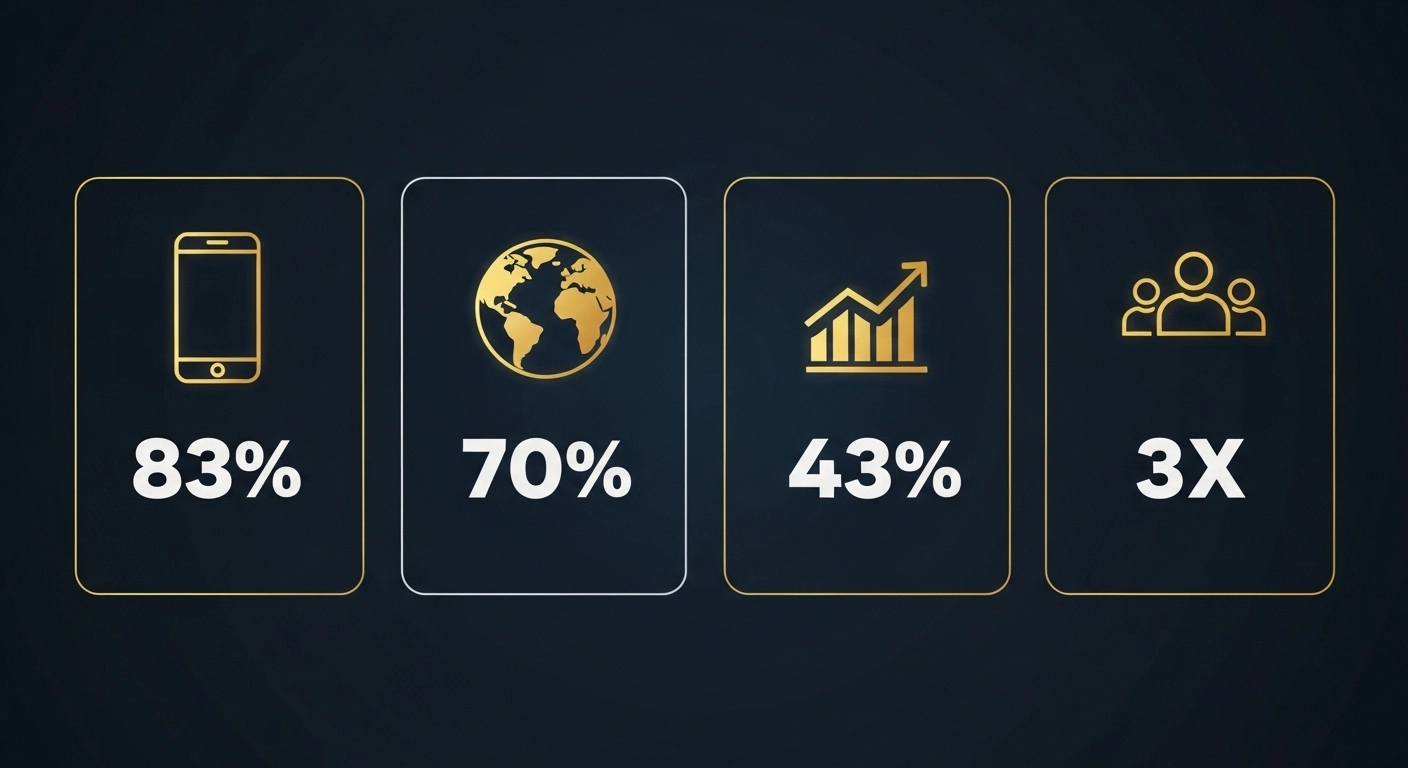
- Over 83% of travelers research and plan their trips entirely online before making a booking
- 70% of travel searches happen on mobile devices
- Travel websites that load in under 2 seconds see up to 40% more conversions than slow competitors
- Agencies with professional websites generate 3x more leads than those relying only on social media or word of mouth
- 43% of all travel website traffic comes from organic search, meaning free traffic driven by SEO
A professionally developed travel agency website is not just a digital business card. It is your 24/7 sales agent, your brand ambassador, and your most powerful booking tool, all in one.
💡 Key Insight: In 2026, travelers often compare 5–7 travel agencies online before making a decision. If your website looks outdated, loads slowly, or is hard to navigate, they will book with your competitor, even if your packages are better.
2. What Is a Travel Agency Website?
A travel agency website is a professionally designed digital platform that showcases your travel packages, destinations, and services, and allows potential customers to explore, inquire about, or directly book tours, flights, hotels, and holiday packages online.
Unlike a basic brochure website, a high-performance travel agency website includes:
- Dynamic tour and package listings with pricing, itineraries, and availability
- Online booking and payment system for direct reservations
- Destination pages with rich content, photos, and travel guides
- Customer testimonials and reviews to build trust
- Inquiry forms and live chat for instant customer support
- Blog and content section to attract organic search traffic
- Integration with booking APIs like Amadeus, Sabre, or custom booking engines
A well-built travel agency website transforms your online presence from a passive page into an active revenue-generating machine.
3. Types of Travel Agency Websites
Before building your travel website, it is important to understand which type fits your business model:
Tour Operator Website
Designed for agencies that create and sell their own custom tour packages. Features detailed itineraries, day-by-day breakdowns, included services, departure dates, and group booking options.
Online Travel Agency (OTA) Website
A platform that aggregates flights, hotels, car rentals, and activities from multiple providers, similar to Booking.com or Expedia, but built for your brand. Requires deep API integrations.
Destination-Specific Travel Website
Focuses on a specific country, region, or city. Ideal for agencies specializing in one destination, for example, a Pakistan tourism website or a Dubai packages agency.
Hajj and Umrah Travel Website
Specialized websites for religious travel agencies offering Hajj and Umrah packages. Requires specific features like group registration, visa tracking, hotel proximity to Haram indicators, and package comparison tools.
Corporate Travel Management Website
Built for agencies serving businesses and corporate clients. Includes features like employee travel booking portals, expense management, policy compliance tools, and dedicated account management.
Adventure and Niche Travel Website
Designed for specialized travel experiences like trekking, scuba diving, wildlife safaris, or cultural immersion tours. Heavy on visual content, storytelling, and experience-based marketing.
Visa and Immigration Consultancy Website
Focused on visa processing, immigration services, and travel documentation. Requires service-specific landing pages, document checklists, and case tracking systems.
4. Must-Have Features of a Travel Agency Website
In 2026, travelers have high expectations. A generic website will not cut it. Here are the essential features your travel agency website must have to compete and convert:
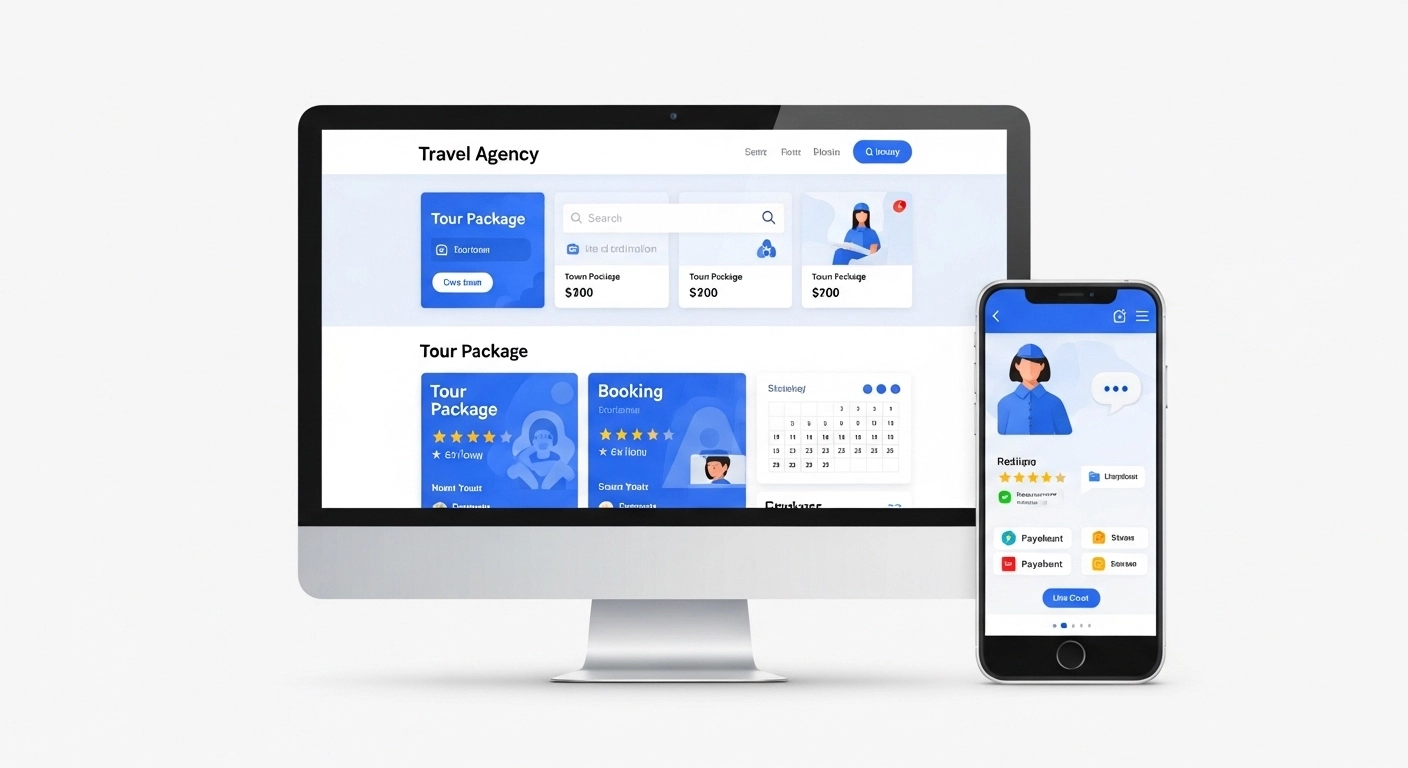
Intuitive Search and Filter System
Your visitors should be able to search for packages by destination, travel date, budget, duration, and type of trip within seconds. A powerful search and filter system reduces bounce rate and keeps travelers engaged.
Detailed Tour and Package Pages
Each tour package page should include:
- High-quality destination photos and videos
- Complete day-by-day itinerary
- What is included and excluded
- Pricing options (single, double, group)
- Departure dates and availability calendar
- Customer reviews for that specific package
- A clear “Book Now” or “Get a Quote” call-to-action button
Online Booking and Reservation System
In 2026, travelers expect to book instantly. Your website must have a real-time booking system that shows availability, accepts reservations, and processes payments securely.
Secure Online Payment Gateway
Multiple payment options are essential. Integrate trusted payment gateways so customers can pay with credit/debit cards, digital wallets, or bank transfers, securely and conveniently.
Mobile-First Responsive Design
With over 70% of travel searches happening on smartphones, your website must deliver a perfect experience on every screen size. Mobile optimization is not optional; it is a ranking factor for Google.
Destination Pages with Rich Content
Create dedicated pages for every destination you offer. These pages should include destination guides, best time to visit, visa requirements, climate information, cultural tips, and package listings. These pages are powerful SEO assets that attract travelers in the research phase.
Customer Reviews and Testimonials
Social proof is one of the most powerful conversion tools in travel. Display authentic reviews and ratings on your homepage, tour pages, and destination pages. Video testimonials are especially powerful.
Live Chat and WhatsApp Integration
Many travelers prefer to ask questions before booking. Live chat and WhatsApp Business integration provide instant support and significantly reduce cart abandonment.
Blog and Travel Guide Section
A regularly updated blog positions your agency as a travel authority, drives consistent organic traffic from Google, and helps potential customers at every stage of their planning journey.
Visual Gallery and Video Content
Travel is an emotional purchase. High-quality photo galleries and destination videos create desire and inspire bookings. Include professional photography and virtual tour videos wherever possible.
Multi-Currency and Multi-Language Support
If you serve international travelers or the Pakistani diaspora abroad, multi-currency pricing and multilingual content dramatically increase your reach and conversion rates.
Trust and Credibility Signals
Display your licenses, affiliations, awards, IATA accreditation, and years of experience prominently. Trust signals reduce hesitation and encourage first-time visitors to book.
5. Travel Agency Website Design Best Practices
Great design in travel goes far beyond aesthetics; it is about creating an emotional connection that turns inspiration into bookings.
Lead with Stunning Visuals
Travel is one of the most visual industries in the world. Your homepage hero section should feature breathtaking destination photography or a cinematic video that immediately transports visitors to their dream destination.
Keep Navigation Simple and Intuitive
Travelers should find what they need in 3 clicks or fewer. Use a clear navigation structure: Destinations, Packages, About Us, Contact. Avoid cluttered menus that overwhelm visitors.
Use Emotion-Driven Copywriting
Travel copywriting is about dreams, experiences, and memories, not just prices and itineraries. Use vivid, sensory language that makes visitors feel the destination before they book it.
Design for Trust
Include multiple trust elements throughout your website: accreditation badges, secure payment icons, real client photos, years in business, and transparent pricing. Trust is the foundation of every travel booking.
Optimize Your Call-to-Action Buttons
Every page should have a clear, prominent CTA, “Book Now,” “Get a Free Quote,” “Plan My Trip,” or “Talk to a Travel Expert.” Use contrasting colors and action-oriented language.
Fast-Loading, Lightweight Design
Compress every image without sacrificing quality. Use modern image formats like WebP. Implement lazy loading for galleries. A fast website is a ranking signal for Google and a critical user experience factor for travelers.
Consistent Branding Across All Pages
Your colors, fonts, logo, and tone of voice should be consistent across every page of your website. Consistent branding builds recognition and professional credibility.
6. Online Booking System Integration
The booking system is the heart of your travel agency website. It is where visitors become paying customers.
Types of Booking Systems
Custom-Built Booking Engine Developed specifically for your agency’s workflow and package structure. Offers maximum flexibility and a seamless brand experience. Best for agencies with unique offerings.
Third-Party Booking Plugin Solutions like WP Travel Engine, TravelPayout, or Rezdy integrate with your existing website and provide ready-made booking functionality. Faster to implement than custom builds.
GDS API Integration For agencies selling flights, hotels, and car rentals, integration with Global Distribution Systems (GDS) like Amadeus or Sabre provides real-time inventory and pricing. Requires advanced development.
Essential Booking System Features
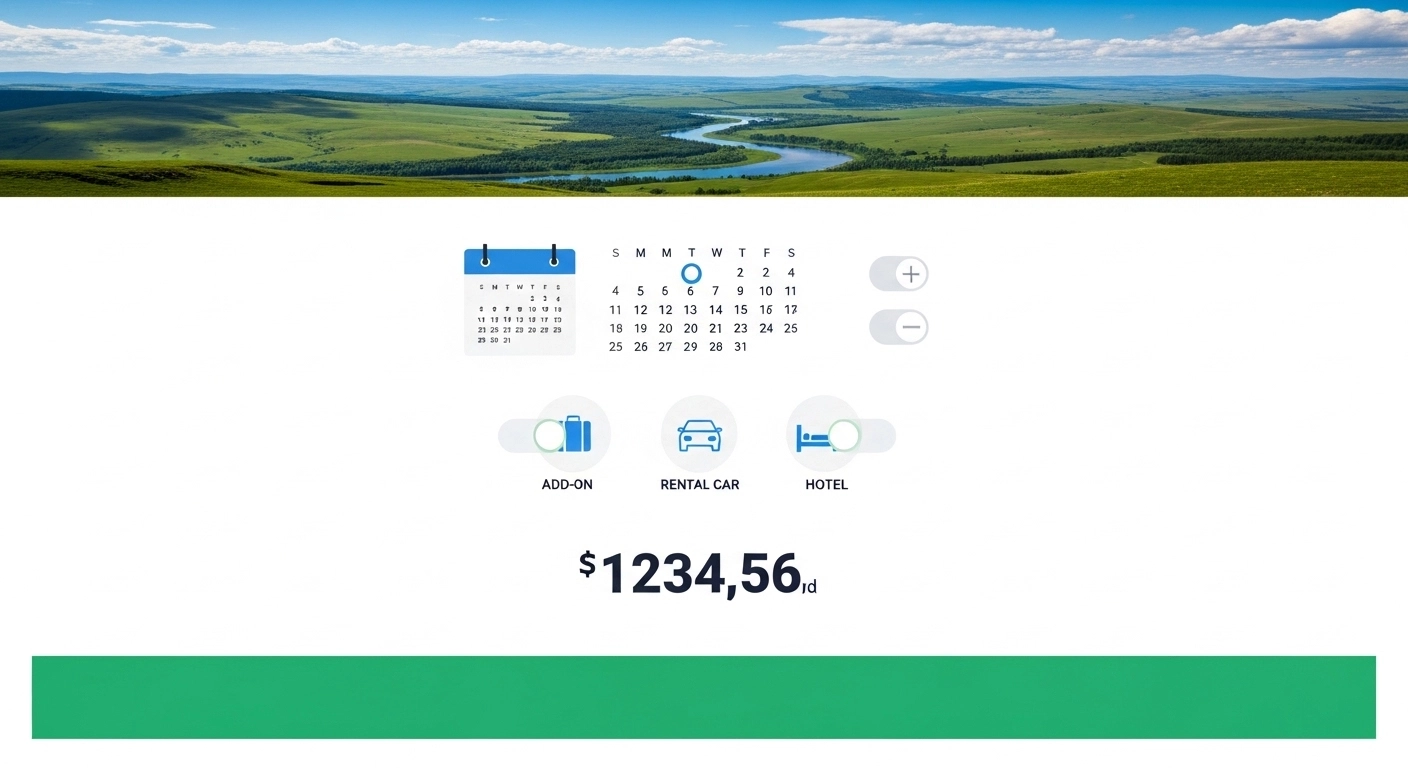
- Real-time availability checking
- Flexible pricing for solo, couple, family, and group bookings
- Add-on selection (travel insurance, visa service, airport transfer)
- Automated booking confirmation emails
- Booking modification and cancellation management
- Admin dashboard for managing reservations
- Integration with accounting and CRM tools
Payment Security Requirements
Your booking system must be PCI DSS compliant to safely handle payment card data. Use SSL encryption throughout, display security badges at checkout, and offer trusted payment options to maximize conversion rates.
7. SEO for Travel Agency Websites
Search engine optimization is the most cost-effective long-term marketing strategy for travel agencies. Getting this right from the moment your website launches is critical.
High-Value Travel SEO Keywords to Target
Understanding and targeting the right keywords is the foundation of travel SEO. Here are the most important keyword categories:
Primary Keywords (High Volume):
- travel agency website
- travel agency online booking
- tour packages online
- holiday packages 2026
- travel agency near me
Service-Specific Keywords:
- Hajj and Umrah packages
- honeymoon tour packages
- family holiday packages
- adventure tour packages
- corporate travel management
Destination Keywords:
- Pakistan tour packages
- Dubai holiday packages
- Turkey tour packages
- Bali travel packages
- Europe tour packages from Pakistan
Long-Tail Keywords (High Intent, Lower Competition):
- affordable honeymoon packages in Maldives 2026
- best Umrah packages from Pakistan with hotel
- family tour to Turkey 7 days itinerary
- budget Europe tour packages from Lahore
- custom tour packages for groups Pakistan
Local SEO Keywords:
- travel agency in Lahore
- travel agency in Karachi
- travel agency in Islamabad
- best travel agency in Pakistan
- visa consultants near me
On-Page SEO for Travel Websites
Every page on your travel website should be optimized for specific keywords:
Title Tags: Keep under 60 characters. Include your main keyword naturally. Example: “Dubai Holiday Packages 2026 — Best Deals | Your Agency Name”
Meta Descriptions: Write compelling 150-160 character descriptions that include your keyword and a clear benefit or call to action.
H1 and H2 Headings: Use your primary keyword in the H1. Use service and destination keywords naturally in H2 subheadings.
URL Structure: Keep URLs clean and descriptive. Use hyphens between words. Example: /packages/dubai-honeymoon-packages
Image Optimization: Name your image files descriptively (dubai-honeymoon-resort.jpg). Write keyword-rich alt text for every image.
Schema Markup: Implement TripAdvisor-compatible schema, Tour schema, FAQPage schema, and LocalBusiness schema. These help Google display rich snippets in search results, dramatically improving click-through rates.
Technical SEO Essentials
- Ensure your website loads in under 3 seconds on mobile
- Submit an XML sitemap to Google Search Console
- Fix all broken links and redirect chains
- Implement HTTPS across your entire website
- Create a mobile-friendly experience (Google uses mobile-first indexing)
- Optimize Core Web Vitals (LCP, FID, CLS)
Content Strategy for Travel SEO
A content-rich travel website consistently outperforms competitors in organic search. Build your content strategy around:
Destination Guides: “Complete Guide to Visiting Turkey in 2026” — comprehensive destination pages targeting travelers in the research phase.
Package Comparison Posts: “7-Day vs 10-Day Turkey Tour: Which Is Right for You?” — helps travelers decide while targeting long-tail keywords.
Travel Tips Blogs: “10 Things to Know Before Travelling to Bali” — attracts early-stage travelers who are not ready to book yet but are building awareness of your brand.
Seasonal Content: “Best Places to Travel in December from Pakistan” — captures high-intent seasonal searches at the exact right time.
FAQs and How-To Guides: Answer the exact questions travelers type into Google to capture People Also Ask (PAA) boxes in search results.
Local SEO for Travel Agencies
Local SEO connects your agency with travelers who are searching for services in your city:
- Create and fully optimize your Google Business Profile
- Consistently use your business Name, Address, and Phone (NAP) across all online listings
- Encourage satisfied clients to leave Google reviews
- Target city-specific keywords on your homepage and contact page
- List your business in local directories and travel industry platforms
8. Best Technology Stack for Travel Websites
Choosing the right technology is critical for performance, scalability, and SEO.
WordPress + WooCommerce / WP Travel Engine
The most popular combination for travel agency websites. WordPress powers over 43% of all websites globally and offers unmatched SEO capabilities, flexible design options, and a vast ecosystem of travel-specific plugins.
Best for: Small to mid-size travel agencies, SEO-focused agencies, agencies with blog-heavy content strategies.
Custom PHP / Laravel Development
A fully custom-built travel website using PHP frameworks like Laravel. Ideal for agencies needing unique functionality, complex booking workflows, or API integrations with GDS systems.
Best for: Large travel agencies, online travel portals, agencies with complex tour management needs.
React.js / Next.js Frontend
A modern JavaScript-based approach that delivers blazing-fast page speeds, exceptional mobile performance, and a superior user experience. Often paired with a headless CMS backend.
Best for: High-traffic travel portals, agencies prioritizing speed and conversion optimization.
Key Integrations for Travel Websites
- Payment Gateways: Stripe, PayPal, JazzCash, Easypaisa, 2Checkout
- Booking APIs: Amadeus, Sabre, Travelport
- Mapping: Google Maps API for destination visualization
- Email Marketing: Mailchimp, Sendinblue for automated travel communications
- CRM: HubSpot or custom CRM for managing leads and bookings
- Live Chat: Tidio, Crisp, or WhatsApp Business API
9. Travel Agency Website Cost Breakdown
How much does it cost to build a travel agency website? Here is a transparent breakdown:
Option 1: Basic Travel Website (WordPress Template)
| Item | Cost |
|---|---|
| Domain Name | PKR 2,000–5,000/year |
| Web Hosting | PKR 5,000–15,000/year |
| Premium Travel Theme | PKR 15,000–30,000 (one-time) |
| Travel Booking Plugin | PKR 10,000–25,000/year |
| Basic Setup & Configuration | PKR 30,000–60,000 |
| Total Estimate | PKR 60,000–135,000 |
Option 2: Professional Custom Travel Website
| Item | Cost |
|---|---|
| Custom Design & Development | PKR 150,000–400,000 |
| Booking System Integration | PKR 50,000–120,000 |
| Payment Gateway Setup | PKR 20,000–40,000 |
| SEO Foundation Setup | PKR 30,000–80,000 |
| Quality Hosting (Annual) | PKR 20,000–50,000 |
| Total Estimate | PKR 270,000–690,000 |
Option 3: Enterprise Travel Portal
| Item | Cost |
|---|---|
| Full Custom Development | PKR 500,000–2,000,000+ |
| GDS API Integration | PKR 200,000–500,000 |
| Advanced Booking Engine | PKR 150,000–400,000 |
| Ongoing Maintenance | PKR 20,000–60,000/month |
| Total Estimate | PKR 870,000–2,960,000+ |
💡 Pro Tip: The right investment depends on your business size, target market, and growth goals. A professionally developed travel website consistently delivers ROI within 6–12 months through increased online bookings and organic search traffic.
10. How to Market Your Travel Agency Website
A great website is only the beginning. Here is how to drive consistent, high-quality traffic:
Search Engine Optimization (SEO)
As detailed above, SEO is the most sustainable long-term traffic source for travel agencies. Invest in technical SEO, destination content, and local search optimization from day one.
Google Ads and Search Campaigns
Target high-intent keywords like “Dubai packages 2026” or “Umrah packages from Lahore” with Google Search Ads. Pay-per-click campaigns deliver immediate visibility and bookings while your organic SEO builds over time.
Social Media Marketing
Instagram and Facebook are the most powerful platforms for travel marketing. Share stunning destination photos, client travel videos, package promotions, and behind-the-scenes content. Use Instagram Reels and TikTok videos to showcase destinations and drive traffic to your website.
Email Marketing
Build your subscriber list from day one. Send targeted emails with seasonal promotions, early bird deals, destination inspiration, and personalized travel recommendations. Email marketing has one of the highest ROI in digital marketing.
WhatsApp Marketing (Pakistan-Specific)
WhatsApp is the dominant communication channel in Pakistan. Use WhatsApp Business to share package catalogs, answer inquiries, send payment links, and follow up with past clients. Personal, direct communication dramatically increases conversion rates.
Content Marketing and Blogging
Publish regular destination guides, travel tips, visa information, and Pakistan-specific travel content. High-quality blog posts attract organic traffic, build brand authority, and nurture potential customers through their decision-making journey.
Influencer and Travel Blogger Partnerships
Collaborate with Pakistani travel influencers and bloggers who have engaged followings. Sponsored trips, package reviews, and destination content can introduce your agency to thousands of new potential customers.
Video Marketing
Create YouTube videos featuring destination highlights, client testimonials, package walkthroughs, and travel tips. Video content builds trust, showcases your expertise, and improves SEO when properly optimized.
11. Common Mistakes in Travel Website Development
Avoid these costly mistakes that many travel agencies make when building their websites:
❌ Slow loading speed — Travel websites with large photo galleries are especially vulnerable to slow loading times. Unoptimized images are the most common cause. Every second of delay costs bookings.
❌ No online booking system — If visitors cannot book directly on your website, you are sending them to competitors. An online booking system is essential, not optional.
❌ Poor mobile experience — Over 70% of travel searches happen on mobile. A website that is difficult to use on a smartphone will lose the majority of its potential customers.
❌ Generic stock photos — Travel is all about authenticity. Using only generic stock photos makes your website feel impersonal. Invest in real destination photos and genuine client travel images.
❌ No SEO foundation — Building a beautiful website without SEO optimization means Google cannot find or rank it. SEO must be built in from the very beginning, not added as an afterthought.
❌ Complicated booking process — Every unnecessary step in the booking flow increases abandonment. Make it as simple as possible: select package, choose date, enter details, pay.
❌ No customer reviews — In travel, social proof is everything. A website without reviews or testimonials loses credibility instantly.
❌ Outdated pricing and packages — Nothing damages trust faster than a customer inquiring about a package only to find it is unavailable or the price has changed. Keep your website updated at all times.
❌ No clear contact information — Make your phone number, WhatsApp, email, and office address easy to find on every page.
❌ Missing SSL certificate — Travelers will not enter personal or payment information on an insecure website. An SSL certificate is non-negotiable.
12. Travel Website Trends in 2026
The travel website landscape is evolving rapidly. Here are the trends shaping high-performing travel websites in 2026:
AI-Powered Trip Planning
AI tools are now embedded directly in travel websites, allowing visitors to describe their dream trip in natural language and receive personalized itinerary suggestions, package recommendations, and pricing in seconds. Agencies integrating AI trip planners are seeing dramatically higher engagement and conversion rates.
Search Experience Optimization (SXO)
Traditional SEO has evolved into Search Experience Optimization — a combination of SEO, user experience, and content quality. Google’s AI Overviews now summarize travel information at the top of search results. Travel websites that appear as trusted, authoritative sources in these AI summaries gain enormous visibility.
Video-First Content Strategy
Short-form destination videos on websites and social platforms are now the primary discovery medium for younger travelers. Travel agencies embedding Reels-style videos on their website pages see significantly longer time-on-site and higher booking intent.
Hyper-Personalization
Advanced travel websites use visitor behavior, location data, and preferences to dynamically show personalized destination recommendations, relevant packages, and customized pricing — creating a unique experience for every visitor.
Voice Search Optimization
With the growth of voice assistants, travel searches are increasingly conversational. Optimizing your website content for questions like “what are the best honeymoon destinations from Pakistan in December” positions you for voice search visibility.
Sustainable and Responsible Travel
Travelers in 2026 actively seek eco-friendly, culturally responsible travel options. Travel agencies that highlight sustainable practices, community tourism initiatives, and ethical travel on their websites attract a growing, loyal segment of conscious travelers.
Direct Booking Incentives
As travelers become more sophisticated, travel websites are competing directly with large OTAs by offering exclusive direct booking benefits — price match guarantees, complimentary upgrades, flexible cancellation, and personalized service.

13. Why Choose ZNT Solutions for Your Travel Agency Website?
At ZNT Solutions, we specialize in building high-performance travel agency websites that are not just visually stunning — they are designed to generate real bookings, rank on Google, and grow your travel business.
What We Deliver
Custom Travel Website Design We build fully custom, brand-aligned travel websites that capture the essence of your agency and make an unforgettable first impression on potential travelers.
SEO-Optimized Development Every website we build is engineered for search engine visibility from day one — clean code, optimized structure, fast loading speeds, and proper on-page SEO across every page.
Online Booking System Integration We integrate powerful booking and reservation systems that allow your customers to browse packages, check availability, and complete bookings directly on your website — 24 hours a day.
Mobile-First Development With over 70% of travel searches happening on mobile, every website we build is designed for a perfect experience on smartphones, tablets, and desktops.
Secure Payment Gateway Integration We integrate trusted international and Pakistan-specific payment solutions including credit/debit cards, JazzCash, Easypaisa, PayPal, and Stripe.
Ongoing Support and Maintenance Your travel website needs regular updates, security monitoring, and performance optimization. Our team provides dedicated ongoing support so your website always performs at its best.
Digital Marketing Integration We do not just build your website — we help you fill it with traffic. Our digital marketing services include SEO, social media marketing, Google Ads, and AI-powered content creation.
14. Frequently Asked Questions
Q: How long does it take to build a travel agency website? A: A professionally designed travel agency website typically takes 3–6 weeks for a standard project. A complex travel portal with a custom booking engine and GDS integration can take 8–16 weeks, depending on scope.
Q: Do I need a custom website, or can I use a template? A: Both options are viable depending on your budget and goals. A premium template can deliver a professional result quickly and affordably. However, a custom-built website provides a unique design, better performance, stronger SEO, and functionality tailored exactly to your business needs.
Q: Can my travel website accept online payments in Pakistan? A: Yes. We integrate trusted payment gateways, including JazzCash, Easypaisa, HBL Pay, and international options like Stripe and 2Checkout, allowing you to accept payments from both Pakistani and international customers.
Q: How important is SEO for a travel agency website? A: SEO is the single most important long-term marketing investment for your travel website. Nearly 43% of travel website traffic comes from organic search. An SEO-optimized website consistently drives free, high-intent traffic from travelers who are actively planning a trip.
Q: Can my website rank on Google for competitive travel keywords? A: Yes, with the right strategy. While broad keywords like “travel packages” are highly competitive, long-tail keywords like “honeymoon packages from Lahore to Maldives” or “7-day Turkey family tour 2026” are very achievable for a professionally optimized travel website.
Q: What is the cost of a travel agency website in Pakistan? A: A professional travel agency website developed by ZNT Solutions starts from PKR 150,000 for a complete custom solution. The investment varies based on features, number of package pages, booking system complexity, and additional integrations required.
Q: Will my travel website work on smartphones? A: Absolutely. Every website built by ZNT Solutions is fully mobile-responsive, meaning it delivers a perfect user experience on all smartphones, tablets, and desktop devices.
Q: Can you add a blog to my travel website for SEO? A: Yes. We include a fully integrated blog and content management system with every travel website we build. A regularly updated travel blog is one of the most powerful tools for attracting organic traffic from Google.
Q: Do you provide website maintenance after launch? A: Yes. ZNT Solutions offers dedicated ongoing maintenance and support packages to keep your travel website secure, updated, and performing at its best after launch.
Q: Can you migrate my existing travel website to a new platform? A: Yes, we handle complete website migrations, including content transfer, URL redirects, and SEO preservation to ensure your existing rankings and traffic are protected during the transition.
Final Thoughts
A professionally developed travel agency website is the most powerful investment you can make in your travel business in 2026. It works for you around the clock, attracting travelers from Google, showcasing your packages, building trust, and converting visitors into paying customers.
The travel industry is more competitive than ever. Travelers expect fast, beautiful, and intuitive websites that inspire them and make booking easy. Agencies that invest in professional web development and SEO consistently outperform competitors who rely on outdated websites or social media alone.
Ready to build a travel agency website that drives real bookings?
At ZNT Solutions, we combine expert web development, conversion-focused design, and SEO strategy to build travel websites that deliver measurable results.
📞 Contact ZNT Solutions today for a free consultation and let us build the travel agency website your business deserves.
This blog is published by ZNT Solutions — a leading web development and digital marketing agency offering SEO, web development, social media marketing, and AI-powered content creation services.